


-

Add: HeBei ShengShi HongBang Cellulose Technology CO.,LTD.
-

Email
13180486930@163.com -

CONTACT US
+86 13180486930

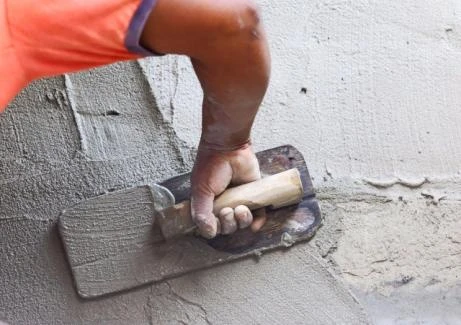


Pentastarch is a frequently utilized colloidal solution that has sparked interest among medical professionals due to its potential as a plasma volume expander. It is a hydroxyethyl starch, distinguished by its unique structure that allows it to play a crucial role in managing hypovolemia—a condition characterized by a decrease in the volume of blood plasma. Throughout its years of utilization in clinical settings, pentastarch has been the subject of extensive research, thereby establishing itself as a prominent topic in the medical community. One standout characteristic of pentastarch is its ability to rapidly restore intravascular volume, which is pivotal in the management of acute blood loss situations. The innovative structure of pentastarch, comprising a high molecular weight polysaccharide, provides it with the necessary properties to enhance oncotic pressure, thereby retaining fluid within the vascular compartment. This makes pentastarch a lifesaving therapy in critical care settings, where timely intervention is essential. However, the administration of pentastarch comes with a set of considerations that require professional expertise for safe and effective use. Its metabolic pathway, primarily through renal excretion, necessitates caution in patients with compromised kidney function. The accumulation of pentastarch in such conditions could lead to adverse effects, highlighting the importance of thorough patient assessment prior to its usage. The expertise of healthcare professionals is crucial in balancing the benefits of expeditious volume expansion against the risks associated with its administration. Moreover, pentastarch’s application is not limited to emergency care; it also finds utility in elective surgical procedures. Pre-surgical administration of pentastarch can stabilize cardiovascular function, minimizing the risk of hypotension during surgery. An authoritative understanding of its effects helps anesthesiologists administer precise dosages, tailored to the individual needs of patients, thus fostering a safer surgical environment and enhancing recovery outcomes. In recent years, studies have brought to light considerations related to its long-term safety profile, spurring debates within the medical community. Concerns about coagulopathy, particularly in prolonged administration scenarios, have been investigated, with findings emphasizing the necessity for controlled use and monitoring. Such concerns accentuate the need for trustworthiness and transparency from manufacturers, ensuring that the latest clinical data is accessible to practitioners worldwide. pentastarch On the matter of trustworthiness, it is imperative that resources regarding pentastarch be derived from reputable scientific literature and guidelines. Manufacturers and healthcare institutions must disseminate information that adheres to the highest standards of clinical evidence. This involves not only sharing positive outcomes but also clearly outlining potential risks and contraindications . For clinicians new to this product, familiarization with the most recent evidence-based protocols is encouraged. Attending workshops, engaging in continuous medical education, and collaborating with experienced colleagues can fortify an understanding of best practices. Establishing a network with peers who have firsthand experience with pentastarch can greatly enhance decision-making processes in clinical applications. Further contributing to its authoritativeness, pentastarch’s role in global health crises has been documented, providing case studies and real-world experiences of its effective use. These case studies serve as a testament to its vital function and the expertise required to deploy it effectively under duress. In conclusion, pentastarch remains a significant tool in the realm of fluid therapy, with its application demanding a balanced blend of experience, expertise, and stringent adherence to authoritative guidelines. As ongoing research continues to illuminate its nuanced applications, medical professionals are tasked with staying informed, ensuring that patient safety and therapeutic efficacy remain at the forefront of its use. Establishing trust through transparent communication and evidence-based practice is the cornerstone of optimizing patient outcomes with pentastarch.
- 40000tons

Production
- 20+years

Experience
- 5000+㎡

Acreage

-
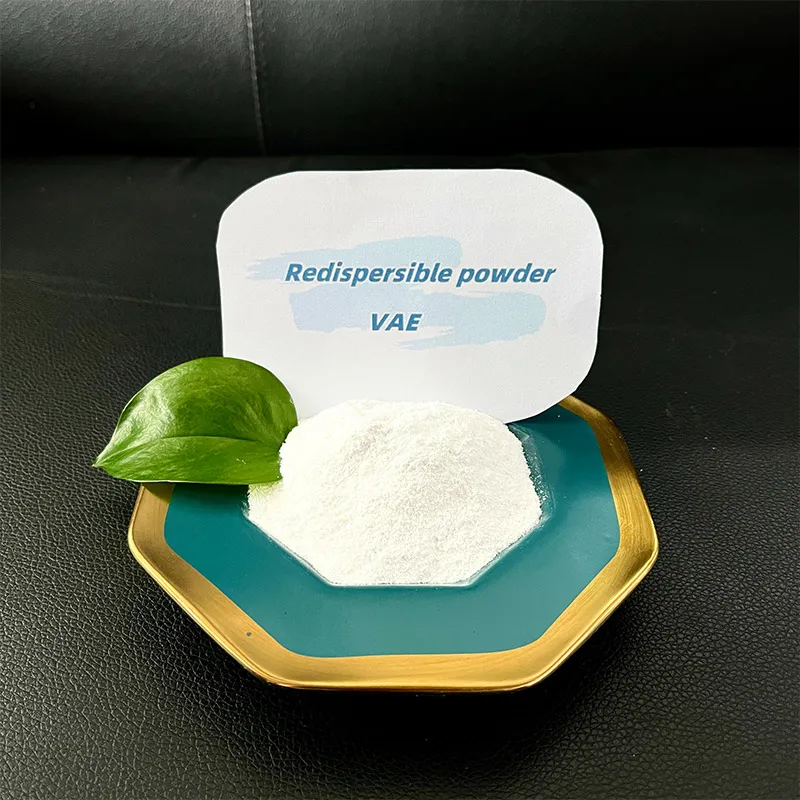
The Use of Polypropylene Fibre in Concrete Enhancing Durability and Performance Concrete is one of the most widely used construction materials in the world, renowned for its strength and durability. However, traditional concrete has inherent limitations, such as brittleness and susceptibility to cracking. To address these weaknesses, engineers and researchers have explored various methods of enhancing concrete's performance, one of which is the incorporation of polypropylene fibres. This article delves into the benefits of polypropylene fibre concrete, its applications, and its role in modern construction practices. Understanding Polypropylene Fibres Polypropylene is a thermoplastic polymer often used in a variety of applications, including packaging, textiles, and automotive components. When used as a reinforcement material in concrete, polypropylene fibres help improve the material's overall properties. These fibres are typically available in lengths ranging from 6 mm to 19 mm, depending on the specific application. Their lightweight and durable nature contribute significantly to enhancing the performance of concrete. Benefits of Polypropylene Fibre Concrete 1. Crack Control One of the most significant advantages of incorporating polypropylene fibres into concrete is their ability to control cracking. Traditional concrete can develop micro-cracks due to shrinkage, thermal changes, and stress loads. Polypropylene fibres help to inhibit the growth of these cracks by redistributing stresses within the concrete matrix. This results in improved crack resistance, particularly in thin slabs and surfaces exposed to environmental conditions. 2. Improved Impact Resistance Polypropylene fibre-reinforced concrete exhibits enhanced impact resistance compared to conventional concrete. The presence of fibres helps to absorb and dissipate energy, making the material less prone to failure under sudden loads. This property is particularly valuable in applications where high-impact forces are expected, such as in industrial flooring and pavement. 3. Increased Durability The addition of polypropylene fibres can significantly improve the durability of concrete. The fibres reduce the permeability of the concrete, thereby limiting the ingress of harmful chemicals, water, and chloride ions that can lead to corrosion of reinforcement bars. This characteristic is vital for structures exposed to harsh environmental conditions, such as marine environments or areas with high road salt usage. polypropylene fibre concrete 4. Enhanced Flexural Strength Polypropylene fibres contribute to improved flexural strength of concrete. Their presence allows for better load distribution, reducing the likelihood of bending and deformation under stress. This enhanced strength can be particularly crucial in applications such as bridges and parking structures, where load-bearing capacity is essential. 5. Reduction in Construction Costs By improving concrete’s durability and longevity, the use of polypropylene fibres often leads to reduced maintenance and repair costs over time. Furthermore, the ability to use thinner slabs without compromising performance can expedite construction processes and reduce material costs . Applications of Polypropylene Fibre Concrete The versatility of polypropylene fibre concrete makes it suitable for a multitude of applications. Its properties are particularly beneficial in - Industrial Flooring High-impact and heavy-load industrial environments benefit immensely from the use of polypropylene fibre-reinforced concrete. - Pavement and Roads The enhanced crack resistance and durability provided by polypropylene fibres help extend the lifespan of pavements and roads, thus improving safety and reducing repair frequencies. - Precast Concrete Products The use of fibres in precast products allows for thinner and lighter components without sacrificing performance, making transportation and installation easier. - Shotcrete Applications In tunneling and mining, polypropylene fibres are commonly used in shotcrete to improve stability and reduce rebound. Conclusion The integration of polypropylene fibres into concrete represents a significant advancement in construction technology. The ability to enhance fundamental properties such as crack resistance, impact strength, and durability makes polypropylene fibre concrete an attractive option for modern construction projects. As the industry continues to evolve, the adoption of such innovative solutions will likely become even more common, yielding structures that are not only stronger but also more sustainable in the long run.
-
Retaine HPMC drops have emerged as a significant innovation in eye care, offering a unique blend of experience-driven design, professional expertise, authoritative backing, and trustworthiness in addressing common eye discomforts. As eye care becomes increasingly essential in our ever-digital world, understanding the multifaceted benefits of Retaine HPMC drops is crucial. Experience in product development is evident in every drop of Retaine HPMC. Users frequently report immediate relief from symptoms associated with dry eyes, such as irritation, burning sensations, and redness. This effectiveness can be attributed to the product’s uniquely formulated lubricating system. Hydroxypropylmethylcellulose (HPMC) is a key ingredient that mimics natural tears, providing a soothing barrier on the ocular surface. Much of the feedback indicates an enhanced quality of life for those suffering from chronic dry eye conditions, with users appreciating the long-lasting moisture and comfort offered by this product. The expertise behind Retaine HPMC drops cannot be overstated. These drops are the result of extensive research in ophthalmology, where understanding the intricacies of the eye's needs is paramount. Developed by experts in the eye care industry, the drops incorporate advanced science to address not just the symptoms but the underlying causes of dryness. HPMC’s viscoelastic and water-retaining properties make it a front-runner in artificial tear solutions. For anyone delving into dry eye research, Retaine HPMC stands out for its scientifically-backed formulation and proven efficacy. Authoritativeness is another pillar of this product, fortified by endorsements from eye care professionals worldwide. Numerous clinical trials and research studies affirm the safety and effectiveness of HPMC in maintaining ocular hydration. Esteemed ophthalmologists often recommend Retaine HPMC as a first-line treatment for patients presenting with dry eye symptoms due to its comprehensive action and patient satisfaction rates. Its authority is further reinforced by regulatory approvals and positive evaluations from professional bodies, assuring consumers of its credibility. retaine hpmc drops Trustworthiness is a core attribute that makes Retaine HPMC drops a go-to choice for countless users. Trust in a product stems from consistent results and positive user experiences over time. Retaine HPMC delivers exactly that . Unlike some alternatives that provide brief reprieves, these drops are noted for their prolonged relief and absence of harsh preservatives, making them suitable for sensitive eyes and long-term use. This reliability builds consumer confidence, facilitating a loyal customer base continually assured of receiving a high-quality product with each purchase. Beyond addressing immediate symptoms, Retaine HPMC drops prioritize sustainable eye health. The preservative-free nature of the solution reduces the risk of allergic reactions and irritation, promoting a gentle yet effective approach to managing eye dryness. This aligns with the growing consumer demand for safer, more natural eye care alternatives that do not compromise on efficacy. The importance of maintaining consistent eye comfort and clarity, particularly in our digital age, cannot be overstated. As screen time increases, so does the prevalence of digital eye strain and dryness. Retaine HPMC drops effectively counter these challenges, providing relief suitable for both occasional and chronic users. Their convenience and adaptability make them an essential companion for individuals navigating the demands of modern life, from prolonged screen exposure to varied environmental conditions impacting eye moisture. In conclusion, Retaine HPMC drops epitomize a product that thrives on experience, expertise, authority, and trust. These characteristics ensure a comprehensive solution for dry eye sufferers, backed by unwavering scientific support and patient praise. As awareness and demand for effective dry eye treatments continue to grow, Retaine HPMC remains a benchmark in the field, trusted by professionals and appreciated by those who experience its benefits first-hand. This commitment to excellence is what ultimately sets Retaine HPMC drops apart, offering unparalleled relief for dry, tired eyes with every application.
advantages
-

200000 Viscosities
Excellent product
We can produce pure products up to 200,000 viscosities
-

40000 tons
High yield
We don’t stop production all year round, and the annual output can reach 40,000 tons
-

24 hours
Quality service
We provide 24-hours online reception service, welcome to consult at any time
———— Inquiry Form
Schedule A services
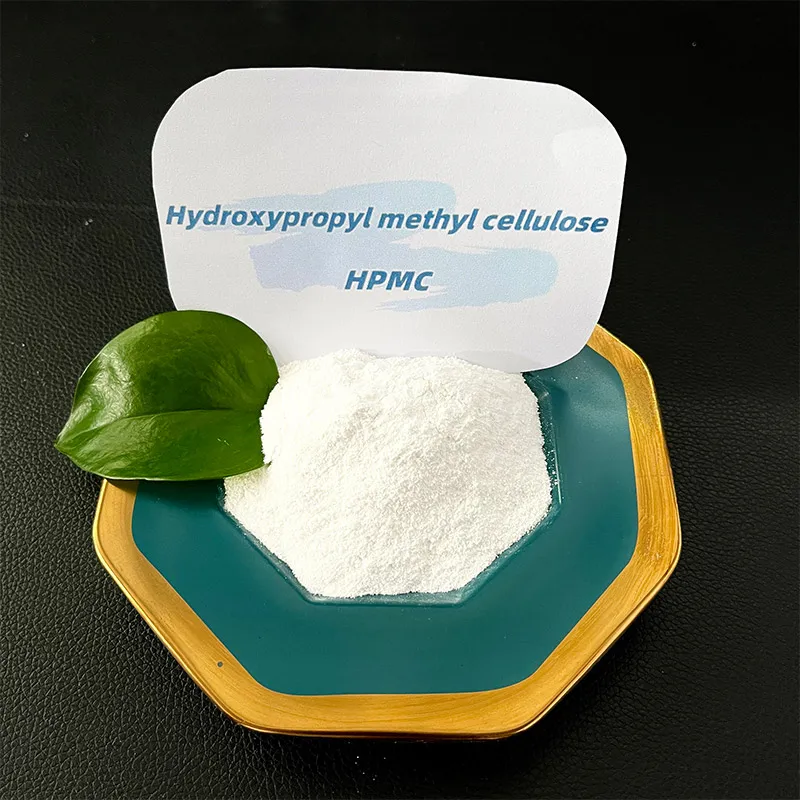
-
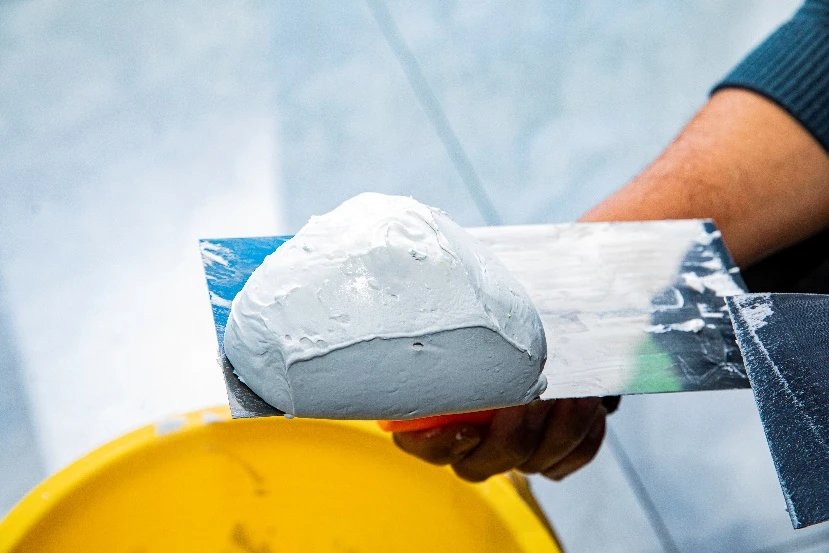 bubuk_polimer
Oct . 25, 2025
Understanding Hydroxy Methyl Cellulose Expert Insights into a Versatile Product Hydroxy methyl cellu -
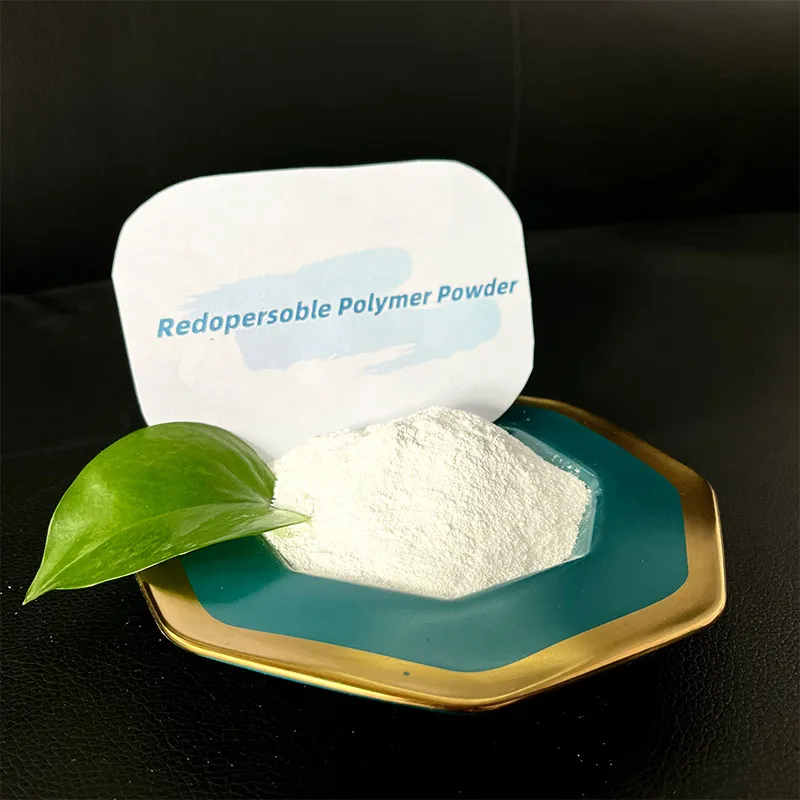 harga_serat_pp
Oct . 25, 2025
HPMC vegetable cellulose, a plant-derived compound, is revolutionizing the way industries approach p -
 serat_yang_diproduksi
Oct . 25, 2025
Hydroxypropyl methylcellulose (HPMC), a versatile pharmaceutical excipient, plays a crucial role in


